How Do You Choose the Right Fishing Rod?
Recommended picks

Start with what you're actually fishing for
Picture a Saturday morning on a farm pond chasing bluegill and bass versus a trip to the jetty for redfish. Those two anglers need almost opposite rods. Panfish and light bass work call for a light to medium power rod that telegraphs small bites, while surf and inshore saltwater species demand a medium-heavy or heavy blank that can turn a fish away from structure. Before you look at brand names, write down the two or three species you catch most often. That answer narrows the rod aisle faster than any spec sheet.
Rod length changes casting distance and control
A rod in the 6 to 6.5 foot range gives you tighter casting accuracy under docks and overhanging brush, which is why a lot of finesse and technique-specific anglers stick with it. Step up to 7 to 7.5 feet and you gain casting distance and better hook-setting leverage at range, a common tradeoff for open water and surf. Longer rods, 8 feet and up, are built for surf casting or trolling where distance and rod-holder stability matter more than pinpoint accuracy near cover.
Power rating tells you how much rod you have
Power, usually printed as ultralight through heavy, describes how much force it takes to bend the rod. Ultralight and light rods flex easily and suit small lures and light line, the kind of setup you would run with a compact spinning reel around the 1000 to 2500 size. Medium and medium-heavy rods cover the widest range of freshwater bass and walleye work. Heavy and extra-heavy rods are built for big baitcasting reels, heavy cover, and fish that pull hard, like flipping rods paired with braided line.
Action determines where the rod bends
Fast action rods bend mainly in the top third of the blank and snap back quickly, which gives sharp hooksets and good sensitivity for feeling a bite. That makes fast action a common pairing with single-hook lures like jigs and worms. Slow and moderate action rods bend further down the blank, absorbing more shock, which helps keep trebled crankbaits and topwater lures pinned in a fish's mouth during the fight instead of pulling free on a hard headshake.
Graphite versus fiberglass, and why blends exist
Graphite blanks are lighter and more sensitive, so you feel subtle bites and structure changes through the rod, which is why most finesse and technique rods lean graphite. Fiberglass is heavier but more forgiving and less prone to snapping under sudden shock loads, a reason it shows up in crankbait rods and budget combos built for durability over feel. Composite or blended blanks split the difference. None of these is objectively better, they trade off differently depending on the technique.
Match the reel to the rod, not the other way around
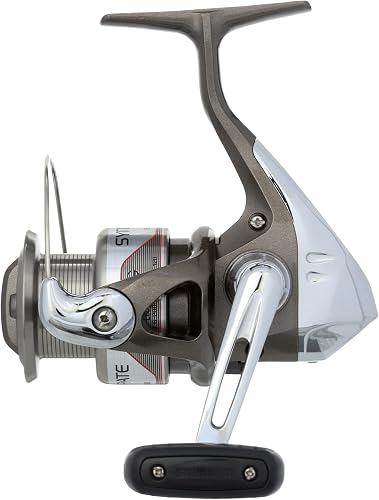
Once you have settled on a rod's power and line rating, pick a reel sized to match rather than picking a reel first and hoping the rod keeps up. A 2500 or 3000 size spinning reel generally balances well with a light to medium rod running 6 to 10 pound line, while a 4000 size and up pairs with medium-heavy rods and heavier line. The Shimano SC2500FG spinning reel, rated 4.6 stars across 1,418 reviews at $44.99, is a straightforward example of a 2500 size built for that middle ground.
Reading review volume as a proxy for reliability
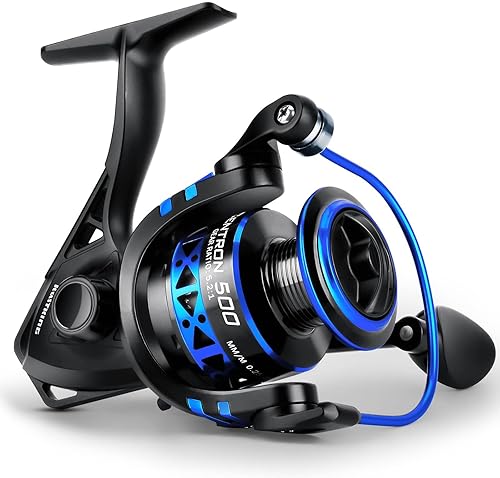
A rod or reel with thousands of reviews and a rating holding above 4.4 stars has survived a lot of real-world use across a lot of different anglers, which is a reasonable stand-in for durability when you can't test the gear yourself. Products like the KastKing KK-Centron 500-1, rated 4.5 stars across 9,600 reviews at $20.65, or the Piscifun Piscifun-RL114-R at 4.5 stars across 6,400 reviews, show that pattern. A high rating on a small handful of reviews is worth less than the same rating spread across thousands of buyers.
Set a budget before you start comparing specs
Entry-level combos in the $15 to $30 range, like the Zebco 202MBK at $11.12 or the KastKing KRLSPNBR-S20BK-1 at $24.29, are built to get a new angler fishing without a big investment, and the review volume on both suggests they hold up for casual use. Mid-range rods and reels in the $40 to $80 band, such as the KastKing KK-Sharky III SP 3000 at $49.29 with 5,289 reviews, typically upgrade the drag system and bearings. Above $100, gear like the Daiwa BG2500 at $140.99 is aimed at anglers who fish often enough to feel the difference in smoothness.
Don't ignore availability and stock patterns
A rod or reel that shows consistent InStock availability alongside a high bought-last-month figure is a signal that the retailer restocks it reliably, which matters if you need a replacement spool or a matching reel later. Reels like the KastKing KK-Centron 500-1, moving 600+ units last month, or the KastKing AMKK-KRLSCABR-S30BK-1 at 1,000+, show that kind of steady demand. A niche or discontinued-looking listing with sparse reviews and no bought-last-month figure is harder to restock if a part fails.
Common mistakes to avoid
- Buying the heaviest rod available thinking it covers every situation, when a rod built for big fish loses sensitivity and casting accuracy for everyday light tackle.
- Choosing action and power based on the price tag alone instead of the technique and lure weight you actually plan to use.
- Pairing a reel sized for heavy line with a light power rod, which throws off casting balance and strains the rod at the guides.
- Ignoring review volume and only looking at the star rating, which hides whether a high rating comes from 20 reviews or 5,000.
- Skipping the length decision and assuming one rod length works for both dock fishing and open-water casting.
- Overlooking bought-last-month and stock status, then getting stuck without a compatible reel or spare part when something wears out.
Frequently asked questions
What rod power is best for beginners?
Medium power with fast action covers the widest range of everyday freshwater fishing, from bass to panfish to walleye. It's forgiving enough for a beginner's casting stroke while still handling most common lures and line weights without needing a second rod right away.
Do I need a different rod for saltwater?
Yes, generally. Saltwater fishing calls for corrosion-resistant guides and reel seats plus a medium-heavy to heavy power rod, since inshore and surf species tend to be larger and fight harder than typical freshwater catches, and saltwater gear needs to withstand salt exposure.
How do I know what size reel goes with my rod?
Check the rod's recommended line rating, usually printed on the blank near the handle. A 2500 to 3000 size spinning reel matches most light to medium rods running 6 to 12 pound line, while a 4000 size and larger suits medium-heavy rods with heavier line.
Is graphite or fiberglass better for a first rod?
Fiberglass tends to be more forgiving for a first rod since it absorbs sudden shock and is less likely to snap from mishandling, while graphite offers more sensitivity but at a higher price and slightly more fragility. Many composite blanks blend both for a balanced option.
Does a higher review count matter more than the star rating?
Both matter together. A 4.6 star rating across a few thousand reviews, like several spinning reels here, reflects consistent satisfaction across a large buyer base, which is a stronger signal than the same rating spread across only a handful of reviews.