Spinning vs Baitcasting Reels: Which One Should You Buy?
Recommended picks


How the Two Reel Types Actually Work
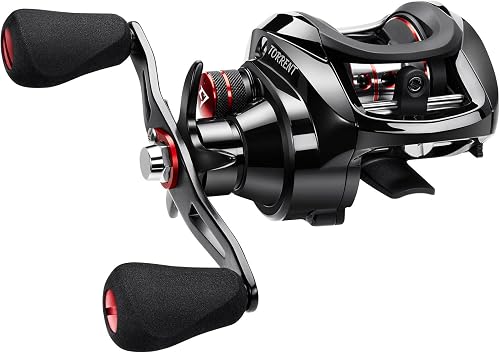
Picture standing at the bank trying to flip a jig under a dock without a snarl of line piling off the spool. That moment is where the mechanical difference between these reels matters most. A spinning reel hangs below the rod with a fixed, stationary spool, and line peels off the front lip as the bail rotates around it, which is why light lures and thin line rarely tangle. A baitcasting reel sits on top of the rod with a revolving spool that spins as line pays out, driven by the weight and momentum of the cast itself. That spinning spool is what allows the tighter, more accurate cast under cover, but it is also the exact source of backlash the moment the spool spins faster than the line leaving it.
The Backlash Problem, and Why Spinning Reels Skip It
Anyone who has cast a baitcaster into the wind and watched a bird's nest of line explode off the spool knows the frustration firsthand. Because the spinning reel's spool never rotates, that failure mode simply cannot happen. It is the single biggest reason spinning reels dominate the entry-level and family fishing market. Products like the Zebco 202MBK at $11.12 and the Zebco 404MBK at $13.59 both carry ratings around 4.4 to 4.5 stars across thousands of reviews and sell in the hundreds to over 1,000 units a month, a pattern that lines up with reels bought by people who want to cast and reel without babysitting the spool. Baitcasting reels ask for a learned thumb on the spool to prevent that same overrun.
Casting Control and Accuracy Under Cover
Imagine pitching a jig six inches from a dock post and needing the lure to stop exactly on target instead of skipping past it. That kind of precision is where baitcasting reels earn their keep. Because the angler's thumb rides the spool through the entire cast, a baitcaster allows fine control over both trajectory and stopping point, which matters for flipping, pitching, and working heavier lures into tight cover. The Piscifun Piscifun-RL114-R, built for baitcasting technique at $39.99 with a 7.1:1 gear ratio and a 4.5-star rating across 6,400 reviews, reflects the kind of demand this style of fishing generates. Spinning reels can still cast accurately at distance, they just do not offer that same mid-cast braking control.
Line Capacity, Gear Ratio, and Drag Differences
Consider an angler switching from panfish jigs to heavier swimbaits and suddenly needing more line on the spool and stronger drag to control a hard run. Baitcasting reels, built around a revolving spool, generally hold more line and heavier line diameters for their size, and many ship with faster gear ratios for quick retrieves, like the Shimano SLX150XG at 8.2:1. Spinning reels vary just as widely in gear ratio and drag rating, from finesse setups like the Piscifun Piscifun-RL004-A at 5.7 ounces to heavier saltwater options like the SHIMANO SLXDC150HG at $224.99. The spec sheet, not the reel type alone, tells you whether a given model can handle the line capacity a specific technique demands.
The Learning Curve Nobody Advertises
A first-time angler handed a baitcaster at the tackle counter often walks away days later with a mess of tangled line and a bruised thumb. That learning curve is real, and it is the main reason experienced anglers and guides steer newcomers toward spinning gear first. Spinning reels like the Sougayilang 11BB-DK1000 at $15.99, rated 4.3 stars across 4,011 reviews, or the KastKing KK-Centron 500-1 at $20.65 with 9,600 reviews, show the volume of buyers picking approachable gear. Baitcasting reels reward practice with better control once the thumb technique is dialed in, but that practice period is a genuine cost that a spec sheet alone will not show.
Price Patterns Across the Two Categories
Shoppers scanning a tackle aisle on a budget will notice spinning reels cluster at both the very bottom and the very top of the price range. Entry models like the Zebco 202MBK sit at $11.12, while premium spinning reels like the Daiwa BG4000 at $151.90 or the Penn 1612614 at $170.00 carry higher-end materials and drag systems. Baitcasting reels tend to start a bit higher, with the Piscifun Piscifun-RL114-R at $39.99 and the KastKing Kestrel SE around $99.99, reflecting the added machining a revolving spool and braking system require. Neither category is inherently more expensive, the spread simply starts from a higher floor on the baitcasting side.
Freshwater, Saltwater, and Material Choices
A weekend spent fishing brackish water or the surf will punish any reel built from parts that corrode quickly. Materials matter more than reel type when it comes to saltwater durability. Aluminum, stainless steel, and carbon components show up across both spinning and baitcasting lines, for example the Okuma C-3000A and the KastKing KK-CE BC-All-2 baitcaster both lean on aluminum and stainless hardware. Reels labeled for spinning technique specifically for saltwater use, such as the Saltwater 5000 Spinning Reel at $45.99, point to corrosion resistance being addressed directly in the build rather than assumed from the reel style. Check the material spec before assuming either type is automatically safe near salt.
Which Techniques Favor Which Reel
Think about the difference between flicking a small jig at panfish and firing a heavy swimbait at largemouth bass under a dock. Spinning reels handle finesse work, light lures, and thin line with the least effort, which covers most trout, panfish, and general freshwater casting. Baitcasting reels earn their reputation on techniques like flipping, pitching, and crankbait retrieves where lure weight and precise placement matter more than ease of casting. Reels marked for trolling technique, like the Shakespeare ATS15LCX or the Piscifun Piscifun-RL176-R, show up in both spinning and baitcasting product lines, a reminder that technique labels on the spec sheet are a better guide than the reel category alone.
Common mistakes to avoid
- Buying a baitcasting reel as a first reel without budgeting time to learn thumb control on the spool.
- Assuming reel type alone determines saltwater durability instead of checking the actual material spec.
- Ignoring gear ratio and picking a reel that is too slow or too fast for the intended technique.
- Pairing a heavy baitcasting reel with a rod rated for lighter spinning tackle, which throws off casting balance.
- Chasing the lowest price without checking review volume and rating, which signals whether a budget reel actually holds up.
- Overlooking line capacity specs when switching to heavier line or targeting bigger fish.
Frequently asked questions
Are spinning reels easier for beginners than baitcasting reels?
Yes, spinning reels are generally easier to start with because the fixed spool cannot backlash the way a baitcaster's revolving spool can. Reels like the Zebco 202MBK, priced at $11.12 with 2,000 reviews and a 4.5-star rating, reflect the steady demand for simple, forgiving entry-level gear.
Do baitcasting reels cast farther than spinning reels?
Not automatically. Baitcasting reels can offer more precise control and stronger performance with heavier lures, but distance depends heavily on lure weight, line, and gear ratio. Both reel types include long-distance and short-distance models depending on the specific spec sheet.
Can I use a baitcasting reel for light lures?
It is possible but harder, since light lures do not generate enough momentum to spin the revolving spool smoothly, which raises the risk of backlash. Spinning reels handle light lures and thin line with far less fuss, which is why most finesse setups default to spinning gear.
Which reel type is better for saltwater fishing?
Neither type is automatically better, durability comes down to materials. Look for aluminum, stainless steel, or carbon components and listings that specifically call out saltwater or corrosion resistance, such as the Saltwater 5000 Spinning Reel at $45.99, rather than assuming spinning or baitcasting alone solves the corrosion problem.
Do I need both a spinning reel and a baitcasting reel?
Many anglers eventually own both because each covers different techniques well. A spinning reel handles finesse presentations and light tackle, while a baitcasting reel handles heavier lures and precision pitching, so owning one of each covers a much wider range of fishing situations.